
The best carrier oil for skin is one that suits the area you want to use it on, the finish you prefer and your skin’s tolerance. Compare these 10 options for face care and massage, learn how to introduce one, and check current SadaPure Jojoba Oil details before buying.
Updated 18 September 2026. Compare ten individual oils below, each with an illustration, practical uses and clear buying considerations.
Which carrier oil should you choose first?
Choose a carrier oil by where you will use it, the finish you want and the ingredients your skin tolerates. Jojoba or squalane may suit someone seeking a lighter-feeling facial oil; sweet almond or apricot kernel may suit someone seeking more massage slip. These are starting points for comparison, not promises about absorption, allergy safety or breakouts.
For very dry skin, start with a suitable moisturiser. For acne-prone or reactive skin, an extra oil step may be unnecessary. A simple routine you tolerate is more useful than a long collection of oils. If you want to compare a locally available option, the SadaPure Jojoba Oil panel below shows current bottle sizes, prices and availability.
What is a carrier oil, and how is it different from an essential oil?
A carrier oil is a base used to spread a cosmetic product over skin or provide slip during massage. Many come from plant seeds or kernels. Jojoba is an exception in composition: it consists mainly of liquid wax esters. Squalane is a cosmetic emollient rather than a conventional seed oil, but is included here because shoppers often compare it with facial oils.
An essential oil is a concentrated aromatic ingredient. A small bottle or a plant-derived label does not make it interchangeable with a carrier oil. Fragrance ingredients can cause contact allergy, and undiluted essential oils should not be applied directly to skin. You do not need to add an essential oil to a plain carrier oil. See DermNet's guidance on essential-oil contact allergy.
10 best carrier oils for skin, face and massage: the detailed guide
Compare the oils below by intended use, texture, label details and individual tolerance. The order is a reading guide, not a clinical ranking. The illustrations identify each oil; they are not photographs of every supplier's packaging or evidence for on-image marketing claims.
1. Jojoba oil: a versatile option for face and small-area massage
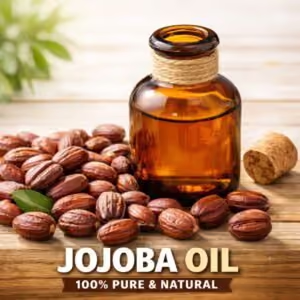
Jojoba oil is worth comparing when you want one cosmetic oil for dry-feeling facial areas, hands or a short massage. It spreads easily, so a small amount can add softness without requiring a complicated blend. It can still leave a shiny film if you apply more than your skin or routine needs.
Unlike most seed oils, jojoba consists mainly of liquid wax esters. That composition makes it distinctive, but does not prove that it “balances sebum”, clears acne or suits every sensitive face. Judge the finished product by its ingredient list, directions and your response.
- Consider it for: an optional facial finishing step or a small area where you want gentle slip.
- Look for on the label: Simmondsia Chinensis (Jojoba) Seed Oil. Check whether it is a single oil or a fragranced blend.
- Practical limitation: more oil is not a solution to persistent dryness; keep a suitable moisturiser in your routine.
For a local buying option, SadaPure Cold-Pressed Jojoba Oil lists one ingredient and no added fragrance. The product panel below shows current sizes and prices; the product page carries its reviews and full purchase details.
2. Squalane: an alternative when you prefer a lighter facial finish
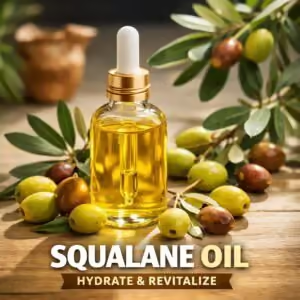
Squalane is a useful comparison for someone who dislikes a rich oil coating but wants an optional emollient step. It is not a conventional seed oil, although facial-oil shoppers often consider it alongside jojoba and other carrier oils. A light-feeling product may be easier to fit into a minimalist routine, but texture is not a guarantee against breakouts.
Check the spelling: squalane and squalene are different ingredients. Also check the source if olive-derived, sugarcane-derived or vegan sourcing matters to you. An olive illustration on a bottle or in a guide is not evidence of a particular product's origin.
- Consider it for: comparing a lighter-feeling face emollient with a richer body oil.
- Look for on the label: Squalane, plus any other ingredients in the formula.
- Practical limitation: a finish you enjoy on your face may not provide the longer glide you want for body massage.
3. Rosehip seed oil: a facial-oil option, not a scar treatment
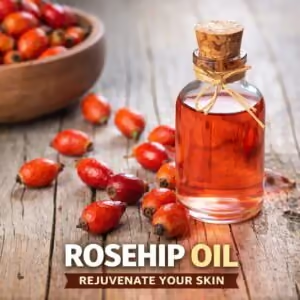
Rosehip seed oil is an option for people comparing a dedicated facial oil for softness and a comfortable finish. Use the label to distinguish the actual oil from a “rosehip” blend containing other oils or fragrance. The amount you use and the rest of your routine can matter more to the feel than the front-label name.
Rosehip is often marketed with anti-ageing and scar claims. Do not assume a bottle will remove pigmentation, repair scars or act like a prescribed retinoid. Those are different outcomes from making dry-feeling skin feel softer, and require evidence for the actual formulation.
- Consider it for: an optional facial step when you like the product's finish and tolerate its formula.
- Look for on the label: the named rose species, seed or fruit source, other ingredients and storage directions.
- Practical limitation: choose a bottle you can use within its stated period and keep it closed, away from heat and direct light.
4. Argan oil: compare it for a richer feel on dry areas
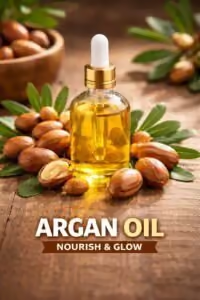
Argan oil can be a useful option to compare when a very light-feeling oil does not give you the slip you prefer. A small amount can make dry-feeling areas feel smoother. Start with the area that needs it rather than assuming your entire face needs another layer.
A product called “argan oil” may be a single-ingredient oil or a blend. Read the complete formula, especially if you are choosing a hair product for use on your face: its fragrance and other ingredients may not suit that purpose. This guide compares cosmetic skin use, not hair-growth treatments.
- Consider it for: small dry-feeling areas or body care when you prefer a medium-to-rich finish.
- Look for on the label: Argania Spinosa Kernel Oil and clear directions for the intended body area.
- Practical limitation: a richer finish can feel excessive in a humid routine or beneath several other products.
5. Sweet almond oil: a body-massage option when almond is suitable for you
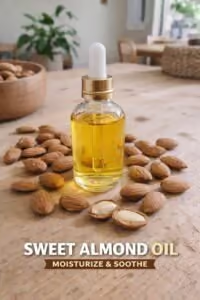
Sweet almond oil is commonly considered for body massage because it can provide a comfortable, lasting slip. If your main aim is to let hands move smoothly over a larger area, compare that feel with a lighter facial oil before choosing solely on popularity.
Almond allergy is a deciding factor, not a small footnote. Do not try to establish the safety of a known allergen through a home skin test. Avoid it unless a clinician familiar with your allergy history advises otherwise. “Cold pressed” and “natural” do not remove that concern.
- Consider it for: body massage or dry-feeling body areas if the ingredient and formula are suitable for you.
- Look for on the label: Prunus Amygdalus Dulcis (Sweet Almond) Oil, rather than a vague almond fragrance description.
- Practical limitation: protect towels and clothing from oil transfer; add gradually instead of pouring a large amount at once.
6. Grapeseed oil: compare a lighter-feeling massage base
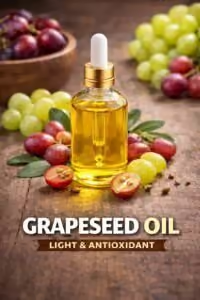
Grapeseed oil is worth comparing if you want massage slip without the feel of a particularly rich oil. It may suit your preference for a thinner film, but “lightweight” does not mean it disappears instantly or cannot leave a greasy feel when overapplied.
There is no reason to treat a kitchen bottle as interchangeable with a cosmetic product. Check its intended use, complete ingredients and storage instructions. Similarly, an oil's fatty-acid profile does not establish that a finished product will clear acne or never clog pores.
- Consider it for: short body massage or comparing lighter and richer oil finishes.
- Look for on the label: Vitis Vinifera (Grape) Seed Oil and any added fragrance.
- Practical limitation: buy a manageable quantity, close the cap after use and follow the labelled storage period.
7. Fractionated coconut oil / MCT: a liquid option for massage
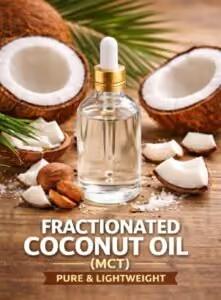
Fractionated coconut oil is often chosen as a massage base when a consistently liquid texture is useful. It differs from ordinary coconut oil, which can change consistency with temperature. That practical difference matters when you want to dispense small amounts easily during a session.
Products sold as MCT or fractionated oil are not all identical. Cosmetic formulas commonly list caprylic/capric triglyceride; source materials and compositions vary. Check the actual label rather than assuming “MCT” proves coconut origin, food suitability or a particular skin benefit. Findings about ordinary coconut oil cannot automatically be transferred to a different fractionated product.
- Consider it for: a liquid body-massage base with clear cosmetic-use directions.
- Look for on the label: the specific ingredient, its source if important to you, and whether fragrance is added.
- Practical limitation: fluid texture does not establish suitability for acne-prone facial skin.
8. Avocado oil: an option for people who prefer a richer body oil
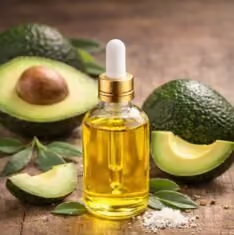
Avocado oil is worth comparing when you want a richer-feeling body-care oil rather than the lightest possible finish. Try a small amount on the intended area after checking tolerance. If the skin still feels tight, review your moisturiser routine instead of simply adding a thicker oil layer.
Colour and scent can vary with processing. A deeper green colour does not prove purity, superior quality or a better result on skin. Avoid using visual appearance as a substitute for a clear ingredient list, seller information and storage guidance.
- Consider it for: dry-feeling body areas or a massage routine where you prefer more oil cushion.
- Look for on the label: Persea Gratissima (Avocado) Oil and the other ingredients, if blended.
- Practical limitation: it may feel too rich for a shiny T-zone; you do not need to use one oil on every body area.
9. Sunflower seed oil: check the variety as well as the name
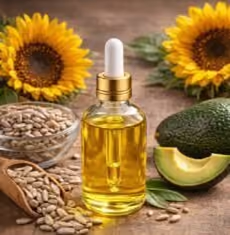
Sunflower seed oil is a practical option to compare for body-care and massage formulas. One important detail is that sunflower oils can differ in fatty-acid composition: high-oleic and high-linoleic types are not the same. A generic “sunflower” label may not tell you which was used.
Studies of particular sunflower preparations do not prove that every cosmetic or cooking bottle will behave alike. For everyday shopping, prioritise a product intended for the use you want, with a complete formula and clear directions. For an active skin condition, choose care with professional guidance rather than trying to reproduce a research treatment yourself.
- Consider it for: comparing a spreadable body oil or a finished massage product.
- Look for on the label: Helianthus Annuus (Sunflower) Seed Oil; ask the supplier about variety if composition matters to your decision.
- Practical limitation: the ingredient name alone cannot tell you the product's clinical effect or suitability for eczema.
10. Apricot kernel oil: another option for comfortable body-massage slip
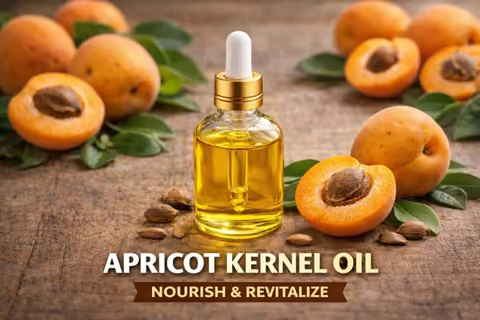
Apricot kernel oil offers another option to compare when you want a medium-feeling massage base. The useful question is whether a small amount lets your hands move comfortably without more residue than you want. A product that works for a short massage may need gradual reapplication during a longer one.
Check the full ingredient list and your relevant allergy history. Do not assume apricot kernel is automatically safe simply because you are avoiding a different nut or kernel oil. Cosmetic-use directions also do not make the product suitable to eat.
- Consider it for: body massage or small dry-feeling areas when the formula suits you.
- Look for on the label: Prunus Armeniaca (Apricot) Kernel Oil and any added scent.
- Practical limitation: test the actual product's feel, protect fabrics and use only on intact skin as directed.
How to read these recommendations: the descriptions above are practical comparison guidance, not results from a ten-oil clinical trial. The review of topical plant oils discusses different oils and types of research; it does not establish one universal winner or verify a particular retail bottle.
Quick comparison: which carrier oil matches your priority?
Use this table to narrow your choice. Texture descriptions are general shopping cues, not results from a SadaPure comparative trial. Refining, formulation, the quantity applied and your skin can change the finish. A single ingredient's reputation cannot establish the performance of a finished product.
| Oil or emollient | Typical feel | Why compare it? | Check before choosing |
|---|---|---|---|
| Jojoba | Slippery, with a light to medium film | An optional finishing step on dry-feeling areas; short facial or body massage | Look for Simmondsia Chinensis Seed Oil. Using more can still leave shine. |
| Squalane | Often light and easy to spread | A simple facial emollient when you dislike a rich oil finish | Check that the label says squalane, not squalene, and inspect the full formula. |
| Sunflower seed | Light to medium, depending on variety | Body-care or massage formulations where spreadability matters | High-oleic and high-linoleic types differ. Do not assume every sunflower oil has the same composition. |
| Grapeseed | Usually a lighter oil film | Comparing a less rich-feeling massage base | Check freshness, intended cosmetic use and storage instructions. |
| Sweet almond | Medium to rich, with lasting slip | Body massage or dry-feeling body areas | Almond allergy matters. A home test does not make a known allergen safe. |
| Apricot kernel | Medium, with a cushioned finish | A body-massage alternative when the formula suits you | Check the kernel source, other ingredients and any relevant allergy history. |
| Argan | Medium to rich | Small amounts on dry-feeling areas when you prefer more oil slip | Confirm the actual ingredient list rather than relying on an “argan” front label. |
| Avocado | Often rich | Comparing richer body-care oils | It may feel excessive on the face. Colour alone does not establish quality or purity. |
| Fractionated coconut / MCT | Liquid with smooth slip | Massage formulas where a consistently liquid base is useful | It is different from ordinary coconut oil. Check the listed ingredient and added fragrance. |
| Rosehip seed | Light to medium, depending on product | An optional facial oil when the finish suits your routine | Follow storage directions. Do not assume it removes scars or replaces a prescribed treatment. |
Research on plant oils varies by oil, preparation and skin condition. A laboratory finding or a study of one formulation cannot prove that every retail bottle has the same effect. The 2017 review of natural oils and the skin barrier and the review of almond, evening primrose and jojoba in skin care describe this wider evidence context. This guide does not claim that SadaPure's product has been clinically tested against the other options.
How should skin type change your decision?
Dry-feeling skin
Use a fragrance-free moisturiser as the main step, then consider a small amount of a tolerated oil if you want extra softness or slip. Oil does not supply the water-based ingredients found in many moisturisers. The American Academy of Dermatology's dry-skin guidance prioritises creams or ointments and applying moisturiser after washing. Persistent cracking, itching or discomfort deserves assessment rather than repeated changes of oil.
Oily or acne-prone skin
More oil is not automatically helpful. Consider whether you need an oil at all, and look for a finished skin-care product labelled non-comedogenic if breakouts are your concern. No simple internet “comedogenic score” can guarantee your response. Stop introducing an oil if it repeatedly seems to worsen bumps, and keep your usual acne treatment plan separate. See the AAD's acne skin-care advice.
Sensitive skin or an active flare
A short ingredient list can make it easier to identify what you are using, but it does not guarantee tolerance. Avoid known triggers and unnecessary fragrance. If skin is already inflamed, damaged or reacting to products, seek advice before testing another oil. “Natural”, “organic” and “cold pressed” do not mean allergy-free.
Combination skin
You do not need to apply the same amount everywhere. If an oil suits you, try a very thin layer only on the dry-feeling area instead of covering an already shiny T-zone. Change one product at a time so you can judge the result without guessing which new layer caused a problem.
What matters when choosing an oil for massage?
For massage, compare glide, how often you need to reapply, scent preference, cleanup and skin tolerance. A richer-feeling oil such as sweet almond may provide the slip someone wants for body massage; a lighter-feeling option may be preferable for a shorter session. There is no universal winner for every technique or person.
Start with a small amount in your palms and add gradually if needed. Keep the bottle away from wet hands, clean the work surface and protect fabric from staining. Do not massage over broken, infected or inflamed skin. If another person will use the oil, check their ingredient sensitivities first. An oil suitable for your own face is not automatically suitable for everyone you massage.
How do you introduce a new facial or body oil?
- Read the whole label. Confirm external cosmetic use, the full ingredient list and the manufacturer's directions. Do not use a product containing a known allergen to see whether you can tolerate it.
- Test a small area first. The AAD suggests trying a new skin-care product on a small area, such as the inner arm, twice a day for seven to ten days. Use the normal amount and follow any wash-off directions. Wash it off and stop if redness, itching or swelling develops. This home check is not a diagnostic allergy test. Read the AAD testing method.
- Introduce a thin layer. Once tolerated, follow the product label and use a small amount on the intended area. For face care, keep your existing moisturiser routine and add the oil only if it improves comfort. Avoid the eyes and do not let the dropper touch skin.
- Keep sunscreen separate. Follow your sunscreen's directions. Do not mix oil into sunscreen or treat a cosmetic oil as sun protection.
- Watch the result. If your skin feels greasy, try less. If irritation or repeated breakouts occur, stop and reassess rather than adding more products. Seek medical help for a severe reaction.
Should you mix carrier oils with essential oils?
A plain carrier oil needs no added fragrance to provide slip. There is no single dilution percentage that makes every essential oil appropriate for every person, body area or use. If you want a scented product, a professionally formulated product with clear use directions is simpler than following a generic drops-per-spoon recipe.
Do not use this adult cosmetic guide to make essential-oil blends for babies, children or pregnancy. Avoid applying undiluted essential oils, and follow product-specific restrictions, including sun-exposure warnings where relevant. A carrier oil can dilute an aromatic ingredient; it cannot remove that ingredient's allergy potential.
What should you check before buying carrier oil in Pakistan?
- Exact identity: the oil name and full ingredient list, not just “beauty oil” on the front.
- Intended use: a cosmetic oil is not necessarily edible. A kitchen bottle is not automatically the same as a cosmetic product.
- Net volume and price: compare the same volume, then check delivery charges. A larger bottle is only useful if you can use it within the stated storage period.
- Product information: look for batch details, shelf-life guidance, storage directions and a contact route for questions.
- Claims: request evidence for testing or certification claims. Colour, scent and a dark bottle cannot by themselves prove purity or organic certification.
- Purchase terms: check the seller's delivery and return conditions before paying, especially for an opened cosmetic product.
Store your oil as its label directs, away from heat and direct sunlight, with the cap closed. Keep it out of a hot car or sunny bathroom window. If the product develops an unusual smell or changes unexpectedly, stop using it and ask the seller for advice. Do not add water to a bottle or rely on an old generic shelf-life chart.
مختصر اردو رہنمائی
کیریئر آئل جلد پر پھسلن اور نرمی کے لیے استعمال ہونے والا بنیادی تیل ہے۔ ہر تیل ہر شخص کے لیے مناسب نہیں۔ جوجوبا ہلکی مقدار میں خشک محسوس ہونے والی جگہ پر استعمال کیا جا سکتا ہے، جبکہ بادام جیسے تیل جسم کی مالش کے لیے زیرِ غور آ سکتے ہیں۔ کسی جزو سے معلوم الرجی ہو تو اسے استعمال نہ کریں۔ خشک جلد کے لیے موئسچرائزر بنیادی قدم ہے۔ خوشبودار ضروری تیل کو کیریئر آئل نہ سمجھیں، اسے بغیر گھولے جلد پر نہ لگائیں، اور کسی تیل کو سن اسکرین یا مہاسوں کے علاج کا بدل نہ بنائیں۔
Evidence, scope and editorial responsibility
This is an adult cosmetic-shopping guide prepared by the SadaPure Editorial Team, not a dermatologist's personal treatment plan. The descriptions help compare intended use, labels and feel; they are not laboratory absorption measurements or a head-to-head product trial. Product facts in the panel come from SadaPure's current catalogue. Other oils are included for comparison and are not represented as stocked SadaPure products.
The source links beside the relevant advice let you check the evidence. For persistent acne, eczema, allergy or unexplained skin symptoms, a qualified clinician can help you choose a routine. If your question concerns bottle size, the listed ingredients or delivery rather than a medical concern, contact SadaPure.

Carrier oil questions, answered
What is the best carrier oil for the face?
There is no single best oil for every face. Compare the full formula, the finish you prefer and your skin's response. Jojoba and squalane are common options to compare, but neither is a guarantee against irritation or breakouts. An oil step is optional.
Can I apply a carrier oil directly to skin?
A product labelled for direct external cosmetic use may be used as directed after checking its ingredients and testing tolerance. Do not assume an essential oil, fragranced blend or cooking oil has the same directions. Avoid the eyes and broken skin.
Can carrier oil replace moisturiser or sunscreen?
A carrier oil can add softness and slip, but it is not a substitute for sunscreen. It also does not supply the water-based ingredients found in many moisturisers. Keep your moisturiser when needed, and follow sunscreen directions without mixing oil into it.
Is jojoba oil a treatment for acne or wrinkles?
SadaPure Jojoba Oil is sold as a conditioning cosmetic, not an acne treatment or a treatment for wrinkles. It may improve the feel of dry areas, but individual tolerance varies. Persistent skin concerns need appropriate professional advice.
Is cold-pressed oil always better for sensitive skin?
Cold pressing describes extraction, not a guarantee of gentleness, purity or allergy safety. Check the complete formula and known triggers. A fragrance-free product can still cause a reaction in some people.
Can I use sweet almond oil if I have an almond allergy?
Do not use a home skin test to establish that a known allergen is safe. Avoid the ingredient unless a qualified clinician who knows your allergy history advises otherwise. Choose products according to that advice.
Which SadaPure oil can I compare from this guide?
The guide links to SadaPure Cold-Pressed Jojoba Oil. Its current catalogue lists a single ingredient, Simmondsia Chinensis (Jojoba) Seed Oil, and 100 ml, 250 ml and 500 ml bottles. Check the live product panel for current prices and availability. The other oils in the comparison are not presented as stocked SadaPure products.
یہ رہنمائی اردو میں سنیں
جلد، چہرے اور مالش کے لیے تیل منتخب کرنے کی رہنمائی۔ یہ مصنوعی آواز میں تیار کردہ بیان ہے۔
مکمل اردو متن پڑھیں
جلد، چہرے اور مالش کے لیے کیریئر آئل کیسے منتخب کریں؟ سب سے پہلے یہ طے کریں کہ آپ کو کس جگہ اور کس مقصد کے لیے تیل چاہیے۔ ہر شخص کے لیے ایک ہی تیل بہترین نہیں ہوتا۔ جلد پر اس کا احساس، مکمل اجزاء اور آپ کی برداشت اہم ہیں۔
کیریئر آئل ایک بنیادی تیل ہے جو جلد کو نرم محسوس کرنے اور مالش میں پھسلن دینے کے لیے استعمال ہوتا ہے۔ خوشبودار ضروری تیل اس سے مختلف اور زیادہ مرتکز ہوتا ہے۔ اسے بغیر گھولے جلد پر نہ لگائیں۔ سادہ تیل میں خوشبو شامل کرنا ضروری نہیں۔
چہرے کے لیے جوجوبا یا اسکوایلین جیسے ہلکے محسوس ہونے والے اجزاء کا موازنہ کیا جا سکتا ہے۔ جسم کی مالش کے لیے میٹھے بادام یا خوبانی کی گٹھلی کے تیل زیرِ غور آ سکتے ہیں۔ اس مضمون میں سورج مکھی، انگور کے بیج، آرگن، ایواکاڈو، ناریل سے بنے مائع تیل اور روزہِپ کا موازنہ بھی موجود ہے۔ یہ طبی درجہ بندی نہیں۔ احساس تیل کی تیاری، مقدار اور آپ کی جلد کے مطابق بدل سکتا ہے۔
خشک جلد کے لیے مناسب موئسچرائزر بنیادی قدم رکھیں۔ اگر مہاسے بنتے ہیں تو اضافی تیل ضروری نہیں۔ حساس یا پہلے سے سوجی ہوئی جلد پر نیا تیل آزمانے سے پہلے مشورہ لیں۔ قدرتی یا کولڈ پریسڈ ہونے کا مطلب یہ نہیں کہ تیل الرجی سے پاک ہے۔ معلوم الرجی والے جزو کو گھر پر آزما کر محفوظ ثابت کرنے کی کوشش نہ کریں۔
نئی جلدی مصنوعات آزمانے کے لیے امریکن اکیڈمی آف ڈرماٹالوجی چھوٹے حصے، مثلاً بازو کی اندرونی طرف، پر سات سے دس دن روزانہ دو بار معمول کی مقدار لگانے کی رہنمائی دیتی ہے۔ سرخی، خارش یا سوجن ہو تو دھو کر استعمال بند کر دیں۔ یہ گھر کی جانچ ڈاکٹر کے الرجی ٹیسٹ کا بدل نہیں۔
مناسب محسوس ہونے پر لیبل کی ہدایت کے مطابق تھوڑی مقدار استعمال کریں۔ ڈراپر کو جلد سے نہ لگائیں اور آنکھوں سے دور رکھیں۔ تیل کو سن اسکرین میں نہ ملائیں، اور اسے دھوپ سے حفاظت یا مہاسوں کے علاج کا بدل نہ سمجھیں۔ شدید ردِعمل کی صورت میں طبی مدد لیں۔
خریدتے وقت تیل کا صحیح نام، مکمل اجزاء، بوتل کی مقدار، موجودہ قیمت، ترسیل کے اخراجات اور واپسی کی شرائط دیکھیں۔ بوتل کو بند رکھیں اور گرمی یا براہِ راست دھوپ سے بچائیں۔ اس میں پانی نہ ملائیں۔ ذخیرہ کرنے اور استعمال کی مدت کے لیے لیبل کی ہدایت دیکھیں۔
اس مضمون میں سادہ پیور جوجوبا آئل کا اصل پروڈکٹ پینل دیا گیا ہے۔ اس میں سو، دو سو پچاس اور پانچ سو ملی لیٹر کی بوتلوں کی موجودہ قیمت اور دستیابی دیکھی جا سکتی ہے۔ یہ بیرونی استعمال کا کاسمیٹک تیل ہے۔ اسے کھانے یا پکانے کے لیے استعمال نہ کریں۔ دوسرے تیل یہاں موازنے کے لیے بیان ہوئے ہیں؛ ان سب کی دستیابی کا دعویٰ نہیں کیا گیا۔